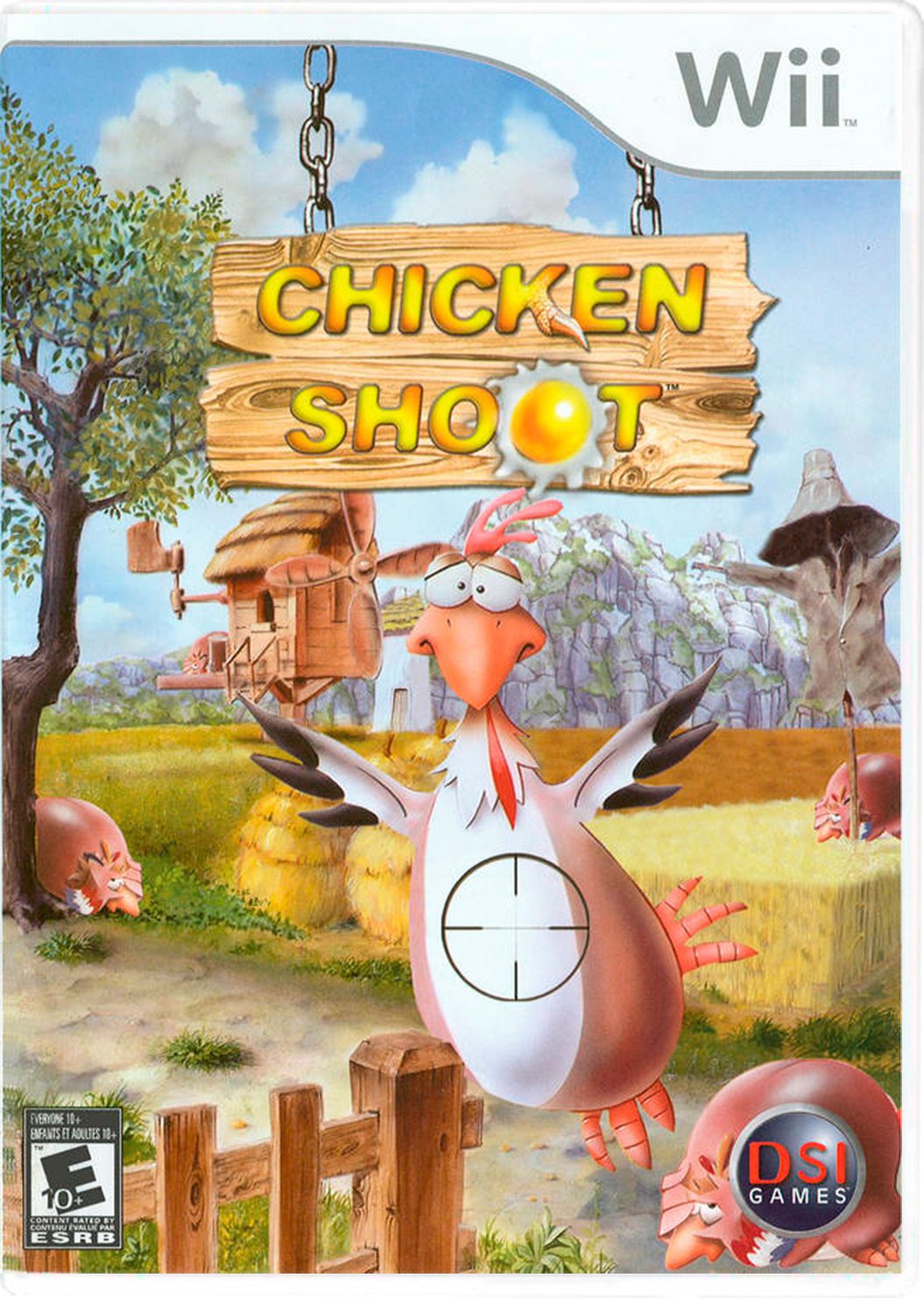
For game enthusiasts and library builders across the UK, a platform’s range is often reflected in the distinct themes it includes. The Chicken Shoot game, situated within a wider collection, is a great example of specialized appeal in light gaming. Let’s look at its place not as a solo act, but as one part of a curated set. By analyzing its systems, its concept, and its role within a portfolio, we get a clearer picture of the methods used to engage British players today. We’re here to explore what it offers and see why it shines in a market crowded with intricate, narrative-heavy games.
Examining Gameplay Mechanics and Features
Looking closer, Chicken Shoot is all about precision and timing. The controls are very straightforward, usually just a mouse click or a screen tap. This low barrier is essential. The game holds your attention with waves that get tougher, where targets move more quickly and less predictably. Special targets show up, some providing score multipliers, others causing penalties if you hit them. A standard progression system typically includes:
- Levels that demand quicker reflexes as you progress.
- Different target types, like golden eggs for big points or sneaky foxes that penalize you.
- Challenge modes with demanding time limits to challenge your skills.
You will not find complex resource management or deep strategy here. That distinguishes it from RPGs or strategy titles and plants it firmly in the reflex-based casual genre. The experience is straightforward, focused entirely on hand-eye coordination.
Visual Design Elements
The appearance and acoustics of Chicken Shoot are central to its appeal. From a visual standpoint, it uses a cartoonish, bright colour palette. This style is approachable and clear, making targets easy to spot against the background. Animations are fluid and exaggerated, with hit targets reacting in comical ways that fit the playful tone. The sound design complements this ideally. A successful hit brings a pleasing ‘plink’ or a funny ‘squawk’. A upbeat, looping soundtrack plays in the background, energetic but not intrusive. This cohesive package is appealing without being overwhelming, creating an engrossing yet relaxed environment. The design shies away from dark or aggressive themes, which makes it fitting for a wide audience.
Comprehending the Chicken Shoot Game Idea
Chicken Shoot is built on a classic arcade notion: a shooting gallery. Your objective is simple. You point and shoot at a selection of bird-themed marks that emerge on the display, usually positioned against a playful farm or countryside setting. This simplicity is the game’s biggest advantage. Everybody can grasp it and play right away. You score points for hitting marks, with extra incentives for precision and pace. Power-ups and bonus rounds sometimes mix things up. The structure focuses on quick, satisfying reaction. Strike a object, and you experience a fun visual and a rewarding noise. This creates the game perfect for short, engaging spells of play. It borrows the old light-gun gallery custom and refreshes it for today’s browser and mobile gamers.
Side-by-Side Review with Comparable Arcade Titles
The game Stack Chicken Shoot versus alternative arcade-style games in the UK’s digital scene, and its standing comes into focus. It isn’t competing with fast-paced shooters or complex puzzles. Instead, it occupies a space built on pure, repetitive action. You could draw a parallel to a classic like Duck Hunt, but with a distinct poultry-themed spin. What sets it apart is its consistent theme and how it can be incorporated into a modern platform with social leaderboards or competitive ladders. Consider these points of comparison:
- Ease of access: It’s often more straightforward to jump into than games that need account links or complicated control schemes.
- Monetization: It usually operates on ad-support or comes as part of a subscription, unlike premium standalone arcade apps you buy once.
- Substance: It delivers less long-term progression than arcade games with RPG elements, focusing instead on the immediate thrill of beating your high score.
This demonstrates the game’s role as a specialist within its genre, not a groundbreaking innovation.
Next Steps and Portfolio Expansion
The direction for a game like Chicken Shoot depends on careful improvements. Developers could introduce social features, like asynchronous multiplayer modes where you compete against a friend’s high score. Seasonal events with specialty targets, think seasonal turkeys or Easter chicks, could bring players back periodically. From the portfolio angle, expansion might mean developing a sub-series of similar “Shoot” games with different themes, building a cohesive mini-collection. Adding light progression systems, such as unlockable cosmetic themes or weapon skins, could provide a meta-layer of engagement without disrupting the simple core loop. For the UK market, adding local humour or cultural references might boost its appeal further. The goal is to maintain the game a dynamic, growing part of the collection, not a forgotten relic.
Possible Downsides and Points
Including a niche title like Chicken Shoot offers benefits, but also some aspects to consider. Its core strength, simplicity, can also be a weakness. Some players might find it repetitive if they seek depth or a story. The novelty of the theme may wear off unless the game gets regular updates with new levels or target types. Also, putting it in an adult-focused gaming portfolio needs careful handling. Without the right context as casual fun, it could risk seeming childish. Technology is another factor. The game must run perfectly on all devices to protect the portfolio’s reputation for quality. Finally, depending too much on these lightweight titles could weaken a platform’s brand if it wants to be seen as a home for more serious gaming.
Benefits of a Varied Game Portfolio
For each gaming platform, a wide portfolio is a core strategy for business growth and player retention. A library that has a game like Chicken Shoot beside card games, slots, and puzzles helps fight user boredom and drop-off. It offers a safety net for engagement. If a player gets bored with one genre, they have a built-in alternative that requires no learning curve. This variety also attracts a wider initial audience, because the platform signals it has something for everyone. Psychologically, different game types activate different parts of the brain. Chicken Shoot tests reflexes, poker demands strategy, slots require patience. This ensures the overall experience feeling fresh. For the UK audience, famous for its wide-ranging tastes, such variety isn’t just nice to have. It’s standard.
Target Demographic and Gamer Profiles in the UK
In the UK, Chicken Shoot likely appeals to a wide range of of people, but it’s a particular favourite for casual players seeking amusement without a big time sink. This covers senior gamers who may appreciate the classic arcade simplicity, and younger ones drawn to the lively hues and quick prizes. Its animal-based, non-violent content has cross-gender appeal. Crucially, it targets players with restricted schedules or those who enjoy gaming sessions that demand little prior knowledge. Platforms need to understand this group. It allows for improved promotion and smarter placement within the game lobby. The game’s inherent ease also makes it a option for kid-friendly fun, though within an grown-up game library, it would be framed squarely as easygoing amusement.
The Role Within a Broader Gaming Collection

Inside a curated gaming portfolio, Chicken Shoot Bonus Funds has a distinct job. It works as a ‘palate cleanser’ or a friendly starting point for users who might shy away from complex card games, slots, or long narratives. A good collection serves many moods and tastes. Adding a cheerful, skill-based title like this expands its overall reach. It shows the platform appreciates variety, offering a counterweight to games that ask for more financial or emotional investment. For a regular user, its presence means a spot for relaxed practice and stress-free fun. It occupies a niche that supports the other parts of the portfolio instead of clashing with them. This clever placement helps keep users around by serving different kinds of play sessions.
FAQ
What’s the primary aim in the Chicken Shoot game?
Your main goal is to accumulate the best score possible. You accomplish this by targeting chicken-themed figures on screen with exactness and pace. The challenge escalates across levels, with targets speeding faster, bonus items emerging, and the sporadic penalty object you must avoid.
Is Chicken Shoot fit for youngsters?
The game by itself, with its cartoon appearance and non-violent content, is generally family-friendly. However, its appropriateness also depends on the wider platform it is hosted on and any ads shown around it. Parents ought to evaluate the general website environment it’s part of.
How does Chicken Shoot function within a larger gaming library?
It serves as a casual, skill-based arcade game that brings range to a portfolio. It’s there for players who desire a quick, low-commitment session, complementing more complex or financially demanding games like poker or slots. This mix assists platforms hold users interested by providing different kinds of fun.
Do I need to get any software to participate?
Generally not. As an element of a contemporary online gaming collection, Chicken Shoot is typically built to work straight in your web browser or on a mobile-optimised platform using HTML5. You can engage instantly without installing, but you will want a steady internet connection.
Are there any tactics for achieving a high score?
Good approaches start with concentrating on precision over raw pace. Have every shot count. Learning how the targets move in formations is crucial. Always target special bonus targets when they appear, as they increase your points. When the waves get faster, remaining composed and holding your precision up is superior than frantic pressing.
Will my data be stored if I depart the game?
That varies by how the platform has set it up. Many web-based variants will only save your top score to a high-score list, not your advancement through individual levels. For a ongoing playthrough, verify if the site demands you to make an account. Usually, you should think of each round as a self-contained attempt for chasing a high score.